Everything else
Make it yours.
Tell it who you are and what else was on your test. Every line below, including the article, rewrites itself as you go.
reading page 1…
Written for you, just now
Six systems are talking to each other in your blood.every marker read against the others · in the order to deal with them · your twelve weeks
add any marker from your test
The fix
Eat the gap closed.
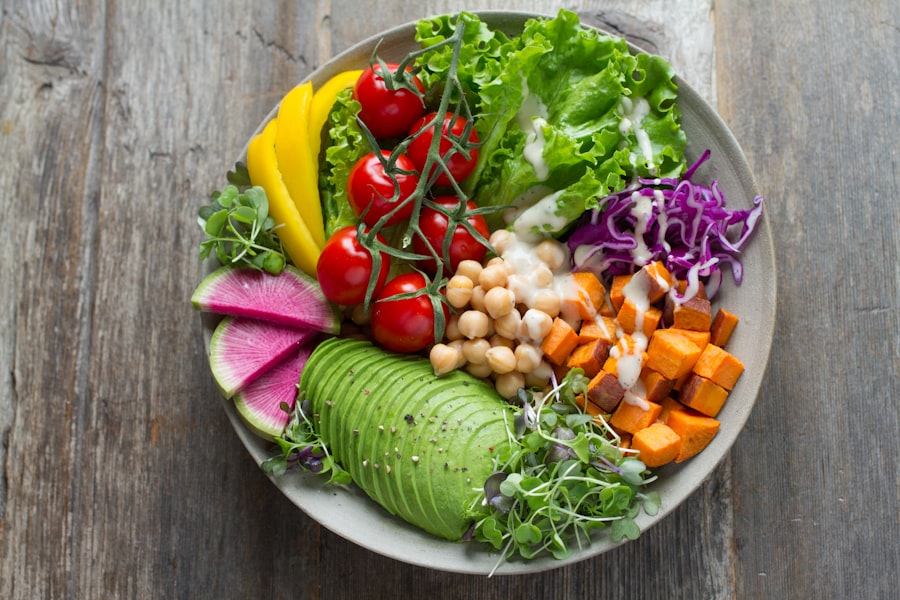
Four plates that keep 162 where it is. One matters more than the rest.



162 is desirable for total cholesterol, which is where you want it.
this is the average reading · make it yours below
Nothing here needs chasing. total cholesterol reads in range, so the useful thing is the direction it moves next. Keep this number to compare your retest against.
You are inside the desirable range of 150 to 200 mg/dL. Right where you want it.
162 is desirable. This is the range the reference table treats as normal for total cholesterol, so this is maintenance rather than repair. What it means for you still depends on the rest of your panel.
The breakdown between LDL and HDL within your total number completely changes the clinical picture.
Total cholesterol divided by your HDL gives a risk ratio more predictive of heart disease than total cholesterol alone.
Your test has all of them on one page
Your BloodMarker report · Total Cholesterol
Total Cholesterol 162 mg/dL: Is That Normal?
Yes. 162 mg/dL is a desirable total cholesterol.
But a number alone is only half the story. Your LDL cholesterol, HDL cholesterol and your risk factors decide how much it means. Tell it who you are.

Have your results in hand?
Upload or photograph your blood test and see every marker explained in seconds. Free.
Upload my blood testYOUR NUMBERS
Values in mg/dL. Your Total Cholesterol of 162 is marked.
What they say together.
Total Cholesterol is read as part of a set. Add the ones printed next to it on your test and the figures below work themselves out, with the ranges this page uses for each.
Triglycerides above 150 with HDL under 50 is the pattern called atherogenic dyslipidemia. It is the combination rather than either number that carries the meaning, and it is invisible if you read the panel one line at a time.
Read my whole panel →Every marker on your test, read against your age and sex. Free.
Is Total Cholesterol 162 mg/dL Low, Normal, or High?
Total cholesterol 162 mg/dL falls within the desirable range according to major health organizations. The American Heart Association, the National Heart, Lung, and Blood Institute, and the American College of Cardiology all consider total cholesterol below 200 mg/dL to be desirable for adults.
At 162 mg/dL, your reading is comfortably within that target zone. This is generally a positive sign for your cardiovascular health, though it is still important to look at the individual components of your lipid panel to get the full picture.
A healthy total number is a good starting point, but the balance between LDL, HDL, and triglycerides matters just as much.
what this page cannot tell you
Your triglycerides determine whether this total cholesterol number is actually dangerous or mostly harmless.
This page has not been given your Triglycerides, so that half of the picture is missing here. It is describing the average reader with Total Cholesterol, not you.
Read mine against my Triglycerides →A Total Cholesterol level of 162 mg/dL places you squarely in the desirable range, indicating a very healthy overall cholesterol profile. This reading is considered excellent and significantly contributes to a lower risk of cardiovascular disease.
This desirable number often reflects a combination of factors. Many individuals achieving 162 mg/dL likely maintain a heart-healthy diet rich in fruits, vegetables, and lean proteins, coupled with regular physical activity.
Genetic predisposition can also play a role, allowing some to maintain optimal levels with less stringent lifestyle efforts, while for others, it's a direct result of consistent healthy choices. Typically, a Total Cholesterol of 162 mg/dL means no immediate specific follow-up beyond routine screenings as recommended by your healthcare provider.
Your doctor will likely review this result in the context of other lipid panel components, such as HDL and LDL cholesterol, and triglycerides, to ensure a complete picture of your lipid health.
Subsequent checks will usually be part of your regular preventative health schedule, perhaps every 3-5 years, depending on your age and other risk factors. While this number is fantastic, it's worth remembering that cholesterol levels can fluctuate slightly based on recent diet, stress, and even time of day.
Maintaining a healthy lifestyle is still paramount to ensure this excellent reading persists over time, as even small, sustained changes in diet or activity could nudge it upward. It's not a 'set it and forget it' number, but a testament to current good health habits that warrant continued attention.
Hidden Risk of Total Cholesterol 162 mg/dL
Even with a desirable total cholesterol of 162 mg/dL, there are a few things that can quietly undermine your cardiovascular health. The total number can sometimes mask an unfavorable balance between the different types of cholesterol. According to the American College of Cardiology, the breakdown of your lipid panel is just as important as the headline number.
While 162 mg/dL is considered desirable, extremely low levels of total cholesterol, though rare, can be associated with certain health concerns that warrant attention. Severely depleted cholesterol can impair the body's ability to produce essential hormones like sex hormones and cortisol, potentially impacting reproductive health and stress response.
It may also affect the production of bile acids necessary for fat digestion and absorption, leading to malabsorption of fat-soluble vitamins (A, D, E, K). Furthermore, cell membrane integrity and fluidity can be compromised, which might have downstream effects on nerve function and cellular signaling pathways.
These risks, however, are typically seen with levels significantly lower than the desirable range, and at this specific value, they are minimal but warrant continued monitoring to ensure it doesn't dip further.
- Your total cholesterol could be 162 mg/dL but still include a high LDL (bad cholesterol) paired with a low HDL (good cholesterol), which shifts the risk picture
- Triglycerides make up part of the total cholesterol calculation. If triglycerides are elevated, it can inflate the total while hiding a concerning LDL-to-HDL ratio
- Family history of heart disease can raise your risk even when cholesterol numbers look normal. Genetics play a significant role that lab numbers alone do not capture
- Other risk factors like high blood pressure, smoking, diabetes, and chronic stress can compound cardiovascular risk regardless of what your cholesterol panel shows
- Cholesterol is a snapshot in time. A single good reading does not guarantee that levels will stay stable, especially as you age or if lifestyle habits change
This part is about the number
Everything below explains what raises Total Cholesterol. It cannot tell you which of them is yours.
Your test can. Every marker on it is read against every other one, which is where the answer actually lives.
PDF or a photo of the printout · read in seconds
What Does a Total Cholesterol Level of 162 mg/dL Mean?
Total cholesterol is a combined measure of the different fats circulating in your blood. The formula is straightforward: total cholesterol equals LDL cholesterol plus HDL cholesterol plus 20 percent of your triglycerides. Each of these components plays a different role, and understanding them helps you make sense of the total number.
A total cholesterol reading of 162 mg/dL most commonly reflects a healthy balance influenced by a predominantly plant-based diet rich in fiber and unsaturated fats, such as those found in nuts, seeds, and olive oil.
Regular aerobic exercise, which helps increase HDL ('good') cholesterol and lower LDL ('bad') cholesterol, is also a significant contributor to achieving this desirable range. Certain medications, particularly statins prescribed for managing higher cholesterol levels in the past, could be maintaining this healthy number.
Additionally, some individuals naturally have a lower baseline cholesterol due to genetic factors, independent of lifestyle choices.
LDL, or low-density lipoprotein, is often called the bad cholesterol because excess amounts can build up in artery walls and form plaque. HDL, or high-density lipoprotein, is known as the good cholesterol because it helps carry LDL away from the arteries and back to the liver for disposal.
Triglycerides are a type of fat your body uses for energy, but high levels contribute to artery hardening.
At 162 mg/dL, your total cholesterol indicates that the combined levels of these fats are within a healthy range. The National Institutes of Health considers this a sign that your body is managing cholesterol well. However, the total alone does not tell you whether your LDL is optimal, whether your HDL is high enough, or whether your triglycerides are in check.
For example, a total of 162 mg/dL with an LDL of 120, an HDL of 40, and triglycerides of 100 is a very different profile from a total of 162 with an LDL of 90, an HDL of 65, and triglycerides of 125.
Both add up to roughly the same total, but the first profile carries more risk. That is why your doctor will always look at the individual components alongside the total number.
Lifestyle Changes for Total Cholesterol 162 mg/dL
Maintaining a desirable total cholesterol level is something to build on, not take for granted. Regular physical activity is one of the most reliable ways to keep your numbers stable over time.
The American Heart Association recommends at least 150 minutes of moderate-intensity aerobic exercise per week. Activities like brisk walking, swimming, dancing, or cycling help raise HDL cholesterol and keep LDL in check.
Even short bouts of movement throughout the day add up and contribute to better cardiovascular health.
To maintain this desirable total cholesterol level of 162 mg/dL, focus on reinforcing current healthy habits. Continue a diet emphasizing whole grains, fruits, vegetables, and lean proteins, while moderating saturated and trans fats.
Aim for at least 150 minutes of moderate-intensity aerobic activity weekly. It's advisable to recheck your lipid panel annually, or as recommended by your healthcare provider, to monitor trends. Pay close attention to your HDL and LDL levels within that panel, as they provide more detailed cardiovascular risk information than total cholesterol alone. Tracking waist circumference can also be a useful indicator of metabolic health.
Weight management plays a significant role in cholesterol stability. Carrying extra weight, particularly around the midsection, is associated with higher LDL and triglycerides and lower HDL. Maintaining a healthy weight through consistent activity and balanced habits supports the favorable lipid profile you currently have.
Smoking cessation is another critical factor. If you smoke, stopping is one of the most impactful things you can do for your cholesterol and overall heart health. Smoking lowers HDL cholesterol and accelerates plaque buildup, even when total cholesterol looks good on paper. The benefits of quitting begin within weeks.
Sleep and stress also influence cholesterol over time. Chronic sleep deprivation has been linked to unfavorable changes in lipid metabolism, and ongoing stress can raise cortisol levels, which may affect how your body handles fats. Prioritizing seven to nine hours of quality sleep and finding sustainable ways to manage stress helps protect the good numbers you have now.
Free calculators for this marker
Work it out with the numbers you already have
- Non-HDL cholesterolevery harmful particle in one number
- Total cholesterol to HDLthe ratio on most risk reports
- Remnant cholesterolthe fraction your lab does not print
- Friedewald LDLhow the lab calculated your LDL
Before you go
Want a nudge when it is time to check total cholesterol again?
This page suggests retesting in 3 months. We will email you then, once, with what to compare against. Nothing else, ever.
One email, in 3 months. Unsubscribe in one click. We never store your results, only the marker name. Privacy
What you actually get
A page like this one, written about you.
You have just spent a few minutes reading a page written for a number. Upload your whole test and you get the same thing written for your body: every marker read against every other, in the order they should be fixed, as something you read rather than a dashboard you have to decode.
- Read in orderWhich number to deal with first, and which ones are only following it.
- Written, not chartedThe same voice as this page, about your own blood, on your own page.
- Every retest joins itThe line builds itself, so the next version shows what moved.
Keep reading
The rest of the panel.
Blood values are never read alone. These are the ones that sit next to yours.
Sources & References
- American Heart Association - About Cholesterol
- NHLBI - Blood Cholesterol
- 2018 ACC/AHA Cholesterol Guidelines
- AHA - Dietary Fats
- CDC - Cholesterol Basics
- MedlinePlus - Familial Hypercholesterolemia
- CDC - Heart Disease Facts
- Physical Activity and Lipid Profiles - PubMed
- ACC - ASCVD Risk Calculator
- Mayo Clinic - Total Cholesterol
Related Markers You Should Also Check
Commonly Seen Together
Blood test results rarely exist in isolation. When one marker is out of range, these related values are often checked alongside it:
Other Total Cholesterol Values
Check these next
Commonly seen together
Other hemoglobin values
Sources